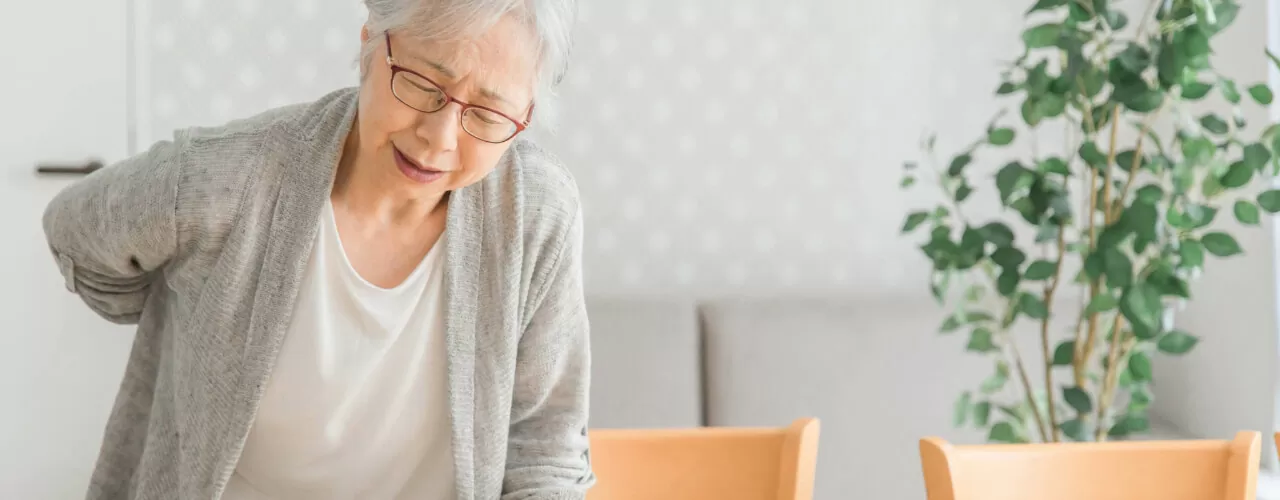

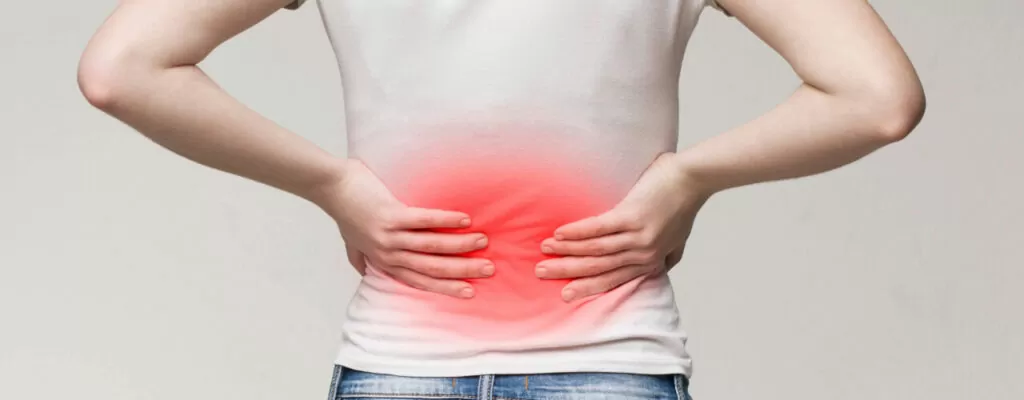
Are you or someone you know experiencing the discomfort of spinal stenosis? You’re not alone. Studies show that spinal stenosis affects over 200,000 people in the United States each year. Fortunately, physical therapy offers a range of effective treatments to help manage symptoms and improve quality of life.
Ready to get started with physical therapy for spinal stenosis? Call Lycoming Physical Therapy in PA today to learn more!
Defining Spinal Stenosis and Exploring the Causes
Spinal stenosis refers to the narrowing of the spaces within the spine, which can put pressure on the nerves and spinal cord. Common symptoms of spinal stenosis include back pain, leg pain, numbness or tingling in the legs, and difficulty walking or standing for extended periods.
Common Causes of Spinal Stenosis
Degenerative Changes:
- Over time, the spinal discs undergo wear and tear, leading to degenerative changes. This change, known as spondylosis, involves the loss of water content and protein in the discs, causing them to shrink and become less flexible. As discs degenerate, they may bulge outwards or herniate, contributing to the narrowing of the spinal canal.
- Factors such as genetics, repetitive stress on the spine, and poor posture can accelerate degenerative changes. Additional symptoms may include a gradual onset of back pain, stiffness, and reduced range of motion in the spine.
Herniated Discs:
- A herniated disc occurs when the soft inner core of a spinal disc protrudes through the tough outer layer, causing a tear. This is often a result of sudden trauma or gradual degeneration. When a herniated disc occurs in the lumbar spine (lower back), it can exert pressure on nearby nerves or the spinal cord, leading to symptoms such as sharp or shooting pain, numbness, tingling, or weakness in the legs.
Bone Spurs (Osteophytes):
- Osteophytes are bony projections that form along the edges of bones in response to joint degeneration or inflammation, commonly associated with osteoarthritis. In the spine, bone spurs can develop along the edges of vertebrae or within the spinal canal, encroaching on the space available for nerves and the spinal cord. As bone spurs grow, they can cause spinal stenosis.
- Additional symptoms include localized pain, stiffness, and loss of mobility.
Traumatic Injury:
- Traumatic injuries to the spine, such as fractures or dislocations, can disrupt the normal alignment and stability of the spinal column, resulting in spinal canal narrowing. Depending on the severity and location of the injury, spinal canal narrowing may directly compress nerves or the spinal cord, leading to symptoms ranging from localized pain and tenderness to sensory or motor deficits in the limbs.
By addressing the specific factors contributing to spinal canal narrowing, our team at Lycoming Physical Therapy can develop personalized treatment approaches to alleviate symptoms and improve the quality of life for those living with spinal stenosis.
How Physical Therapy Can Help with Spinal Stenosis
Physical therapy plays a crucial role in the management of spinal stenosis, offering non-invasive treatment options to alleviate pain and improve function.
Techniques & Methods
Individualized Treatment Plans:
- Our team creates personalized treatment plans based on a thorough assessment of your unique symptoms, functional limitations, medical history, and treatment goals. These plans are tailored to address your needs, taking into account factors such as the severity of symptoms, underlying causes, and individual preferences. By customizing treatment approaches, we are working to optimize your outcome and ensure you receive the most effective interventions for your condition.
Manual Therapy:
- Manual therapy techniques involve hands-on manipulation of soft tissues and joints. These hands-on interventions help to alleviate tension, improve circulation, and promote relaxation, facilitating the body’s natural healing processes and enhancing overall comfort and well-being. Our team may employ various manual techniques such as massage, joint mobilization, stretching, and myofascial release to address muscle imbalances, stiffness, and restricted movement in the spine.
Therapeutic Exercise:
- Therapeutic exercise is a cornerstone of physical therapy for spinal stenosis, aiming to strengthen the muscles surrounding the spine, improve flexibility, and enhance overall stability and function. Physical therapists will prescribe targeted exercises designed to address specific areas of weakness, imbalance, or dysfunction.
Education:
- Empowering patients with knowledge and strategies to manage their condition effectively and prevent future exacerbations is a key part of any treatment plan. Our team can provide education on proper body mechanics, posture, ergonomics, and activity modification techniques to help you avoid movements or positions that may aggravate your symptoms.
Embracing a Pain-Free Future
Living with spinal stenosis can be challenging, but with the right treatment approach, relief is within reach. Physical therapy offers effective, non-invasive solutions to help you manage symptoms, improve mobility, and reclaim your quality of life. Don’t let spinal stenosis hold you back any longer. Call our team at Lycoming Physical Therapy in PA today and take control of your health and well-being. Together, we can navigate the path to a pain-free future!
Tags: physical therapist, back pain, pain relief, natural treatment, physical therapy